
How Long Does It Really Take for a Child to Learn Swimming?
One of the most common questions parents ask before enrolling their child in swim lessons is a simple one: How long will it take?
It’s a fair question—and an important one—but the honest answer is that there is no fixed timeline.
Learning to swim isn’t like learning a single skill that can be mastered in a set number of weeks. It’s a gradual process that involves confidence, coordination, breathing, safety awareness, and physical development. At Swim It Right, we focus on steady, meaningful progress rather than rushing children through levels.
Why There’s No One-Size-Fits-All Timeline
Every child starts their swimming journey from a different place. Some children are comfortable in water almost immediately, while others need time to trust the environment. Progress depends on a combination of physical, emotional, and developmental factors.
Common factors that influence how long it takes include:
Your child’s age and physical development
Previous exposure to water (positive or negative)
Comfort level with submersion and floating
Ability to follow instructions and stay focused
Frequency and consistency of lessons
Because of these differences, two children attending the same number of lessons may progress at very different speeds—and that is completely normal.
What “Learning to Swim” Actually Means
For many parents, “learning to swim” means being able to move independently across the pool. In reality, swimming is built in stages, and each stage is equally important.
At Swim It Right, learning typically progresses through:
Developing water comfort and confidence
Learning basic survival skills such as floating and breath control
Understanding body balance and buoyancy
Coordinating arms, legs, and breathing
Swimming short distances independently
Refining technique and endurance over time
Skipping early stages may create the illusion of fast progress, but it often leads to poor technique or fear later on.
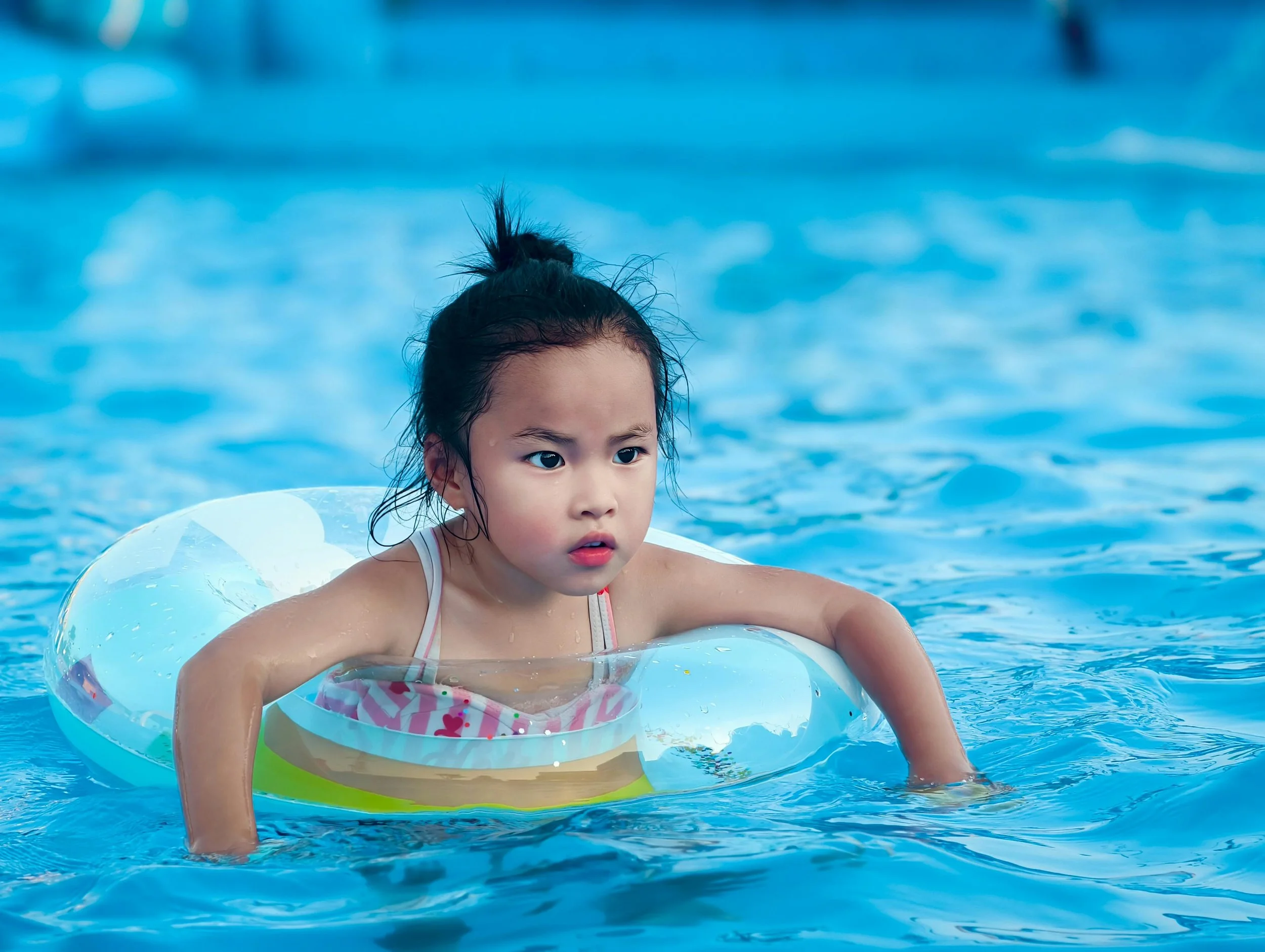
A Realistic Timeframe for Most Children
While every child is different, parents often appreciate having a general guideline. For children who attend lessons consistently, progress usually looks something like this:
First 1–2 months: Building comfort, trust, and basic water safety skills
Next 2–4 months: Improved floating, kicking, breath control, and coordination
Around 6 months and beyond: Swimming short distances independently with better control
These timelines assume regular weekly lessons. Gaps in attendance often slow progress, as children need repetition to build muscle memory and confidence.
Why Consistency Matters More Than Speed
Children who attend lessons regularly tend to progress more smoothly and confidently. Swimming skills build on each other, and long breaks can cause hesitation or regression—especially for younger learners.
Consistent lessons help children:
Retain muscle memory
Build confidence gradually
Feel familiar with the pool and coach
Reduce fear and hesitation
Develop stronger technique over time
This is why we often recommend steady weekly lessons rather than short bursts followed by long breaks.
Common Mistakes Parents Make When Measuring Progress
It’s easy to compare your child to others or expect rapid results, especially when watching classmates swim ahead. However, progress in swimming doesn’t always look dramatic.
Parents sometimes worry when:
Their child isn’t swimming full laps yet
Progress seems slower than a sibling’s
The child still needs support in the water
Skills appear inconsistent from week to week
In reality, these are all normal parts of the learning process. Small improvements—like calmer breathing or better floating—are signs of real progress.
How Swim It Right Supports Long-Term Progress
Our coaches are trained to assess each child individually and adapt lessons accordingly. Rather than pushing children through levels quickly, we focus on mastering each skill properly before moving on.
We support long-term progress by:
Teaching at a pace suited to each child
Reinforcing strong foundations and safety skills
Providing clear feedback to parents
Adjusting lesson structure when needed
Encouraging confidence and enjoyment in the water
This approach helps children become not just swimmers, but confident and capable ones.
When a Trial Class Can Help
If you’re unsure about your child’s readiness or progress, a trial class is a great way to get clarity. It allows our coaches to assess your child’s current abilities and recommend the right programme and pace.
A trial session helps determine:
Your child’s comfort and confidence level
Which stage or programme is most suitable
Whether private or small group lessons may help
How to support progress moving forward
Every Child’s Swim Journey Is Different
Learning to swim is not a race. Some children move quickly, others move steadily—and both paths are valid. What matters most is that your child feels safe, supported, and confident in the water.
At Swim It Right, we believe that when children learn at the right pace, they develop skills that last a lifetime.
If you’re ready to start or reassess your child’s swim journey, book a trial class with us today and let our coaches guide them every step of the way.
